
About The Book
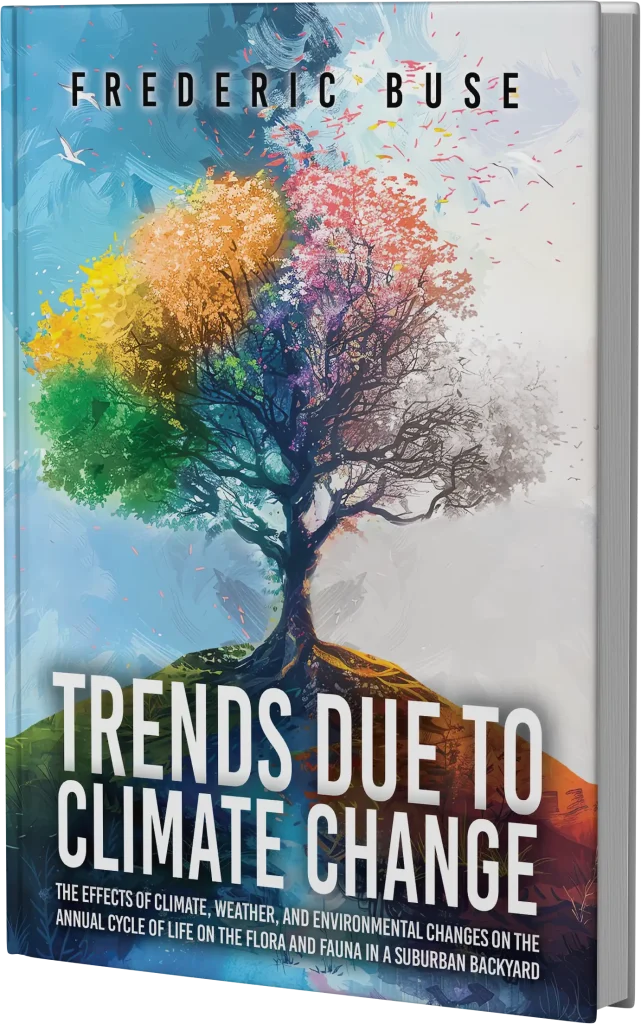
About The Book
Trends Due to Climate Change
Ever wonder how and when weather is changing or when the migrating bird will hopefully arrive? Or when the deciduous tree will have leaves or when will the last leaves drop in the fall. This book is the results of the accumulation of 40 years of observation and data. I have taken the up and down date of an occurrence over a period and generated an over-all trend line. The trend line shows the changes due to climate change on weather, flora and funda in a suburban backyard.
The book contains over 200 trend line graphs on all those subjects. Some trend lines go up others down and other show no change.
As an example, looking at the weather for a 20-year period.
The mean temperature of ten of the months has increased two-to-six-degree F. November has stayed even and December has decreased. The March snows of 20 inches has gone to none.
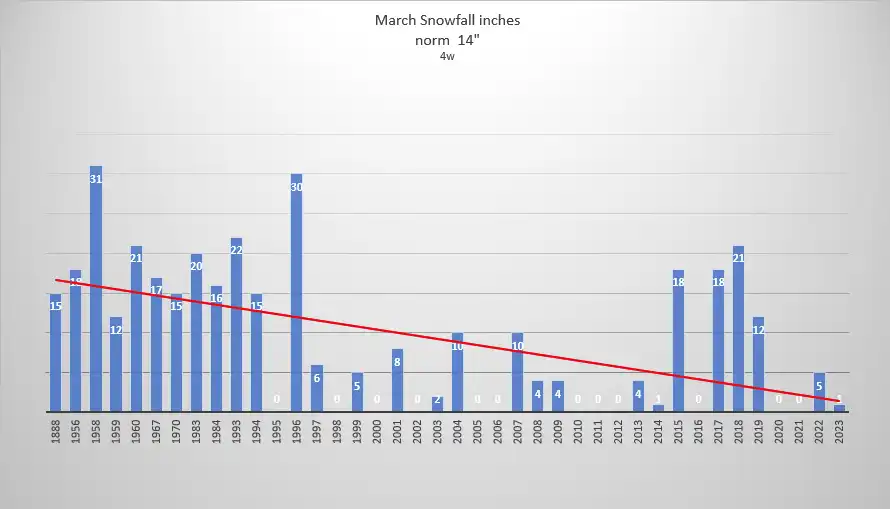
This is one example of the red trend line charts within the book. The charts cover subjects like weather, birds, insects, trees and perennials
The data shows that the amount of rain has increased in the spring and less in the fall. The end of the tomato crop used to be at the end of August. Now it may go to the beginning of October.
The average temperature for the year has gone up 3F, which is very high and climbing.
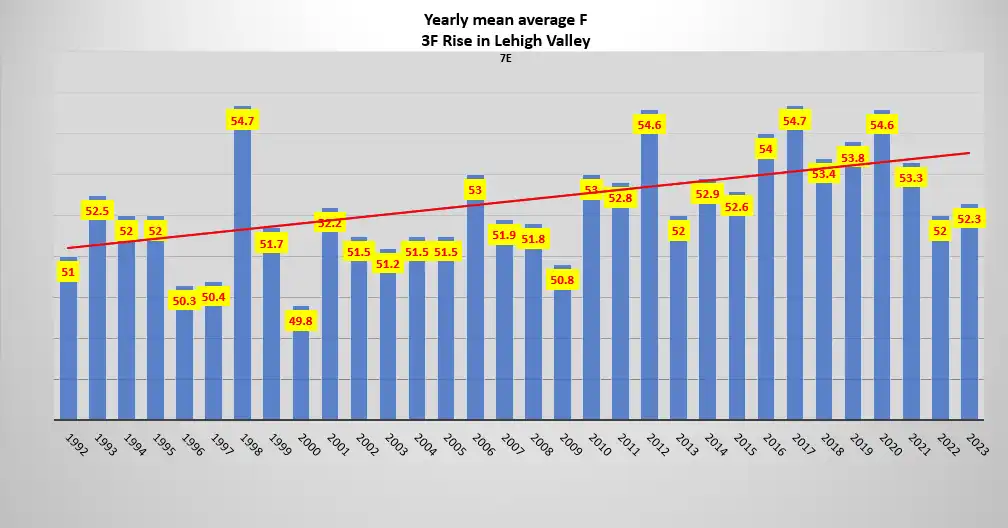
The lower 2023 temperature is from the Canadian forest fires.
Over 20 years, the completed canopy of the leaves for deciduous trees in the spring has moved earlier by two weeks and the last dropping of fall-leaves has gone into December. The number of migrating bird species has increased in the spring and decreased in the fall. The crickets are chirping earlier. The perennials are blooming earlier. The trends are not all due to climate change, but also from the environmental changes, such as large land developments for warehouses and malls.
The trend lines are a quick way to demonstrate climate change. The body of the book describes the transformation of a half-acre of a plane hill to an oasis of 80-foot trees in a suburban backyard.
Followed by a chapter on 20 to 30 years changes in weather in rain, snow or temperature. Temperature seems to have the greatest effect on the flora and fauna.
Then we take a journey of the anticipated yearly cycle of life. Technically called phenology. The journey goes month by month, week by week. The journey starts in March, ends with the last week of February.
Why start in March, that is the month for the renewal of life. Each month has trend line charts about its weather, the number and type of bird species, fledgling arrival, what kind and bloom expectancy of the perennials, shrubs, insects, diseases, animals and tree.
The purpose of the book is to make the reader aware of the trends due to climate change in our environment, not only on humans but all the creator’s flora and fauna. This book is tiny-pin-point demonstration of the overall climate changes. I hope it inspires others to do similar studies for awareness of their environment. Plant native flora. Plant more trees.
Press Release
Frederic Buse's New Book 'Anticipation' is a Brilliant Narrative Explaining Animals' and Nature's Growth and Condition in Suburban Backyards
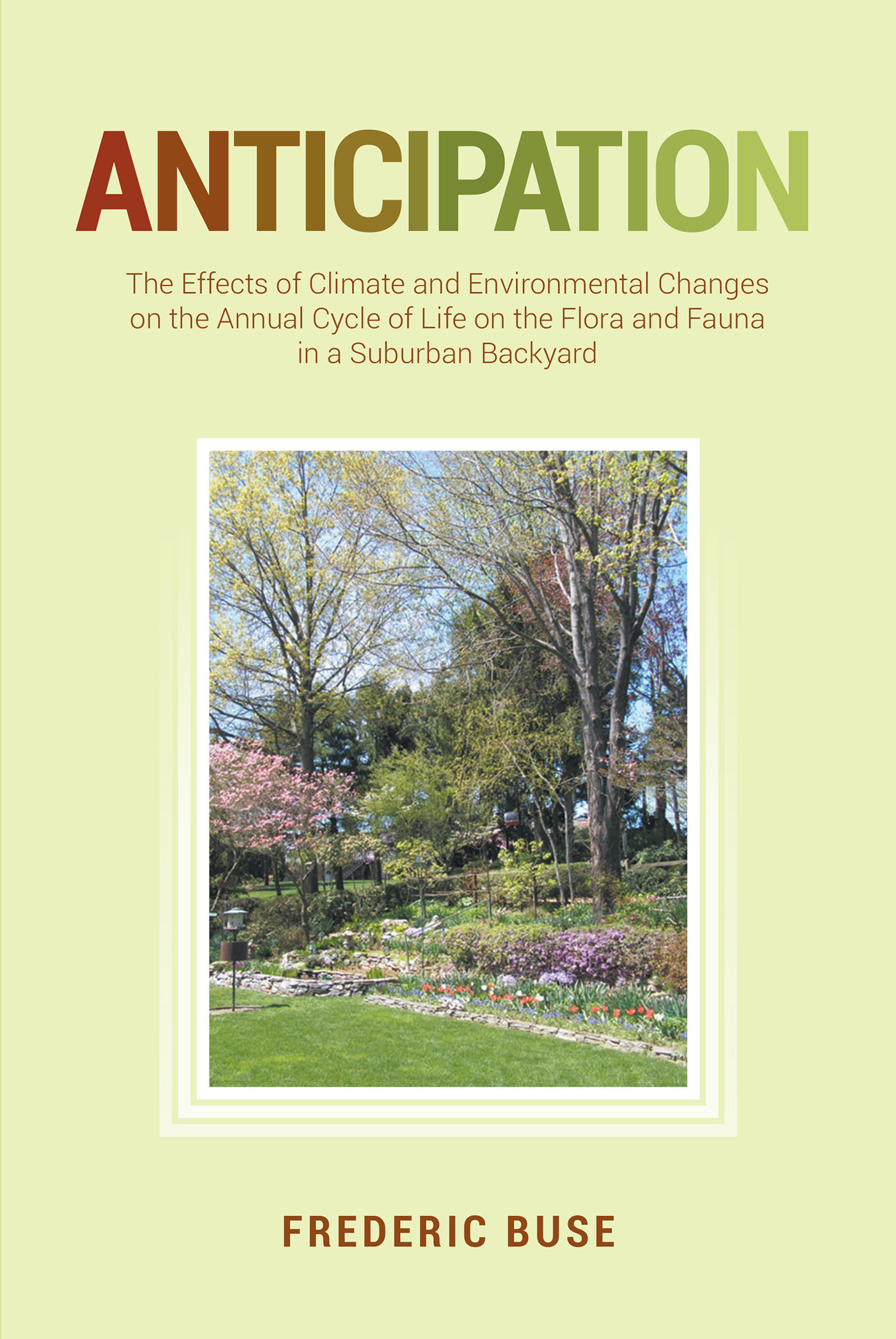
Readers who wish to experience this potent work can purchase “Anticipation” at bookstores everywhere, or online at the Apple iTunes store, Amazon, Google Play or Barnes & Noble.
Contact Us
Get In Touch
Denpasar, Bali
- Jl. Niti Mandala, Renon, Bali, Indonesia – 80225
- (+62) 8152 254 239
- [email protected]
Kuta, Bali
- Jl. Sunset Road No.815, Kuta, Bali 80361
- (+62) 8152 254 239
- [email protected]